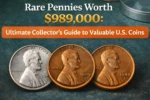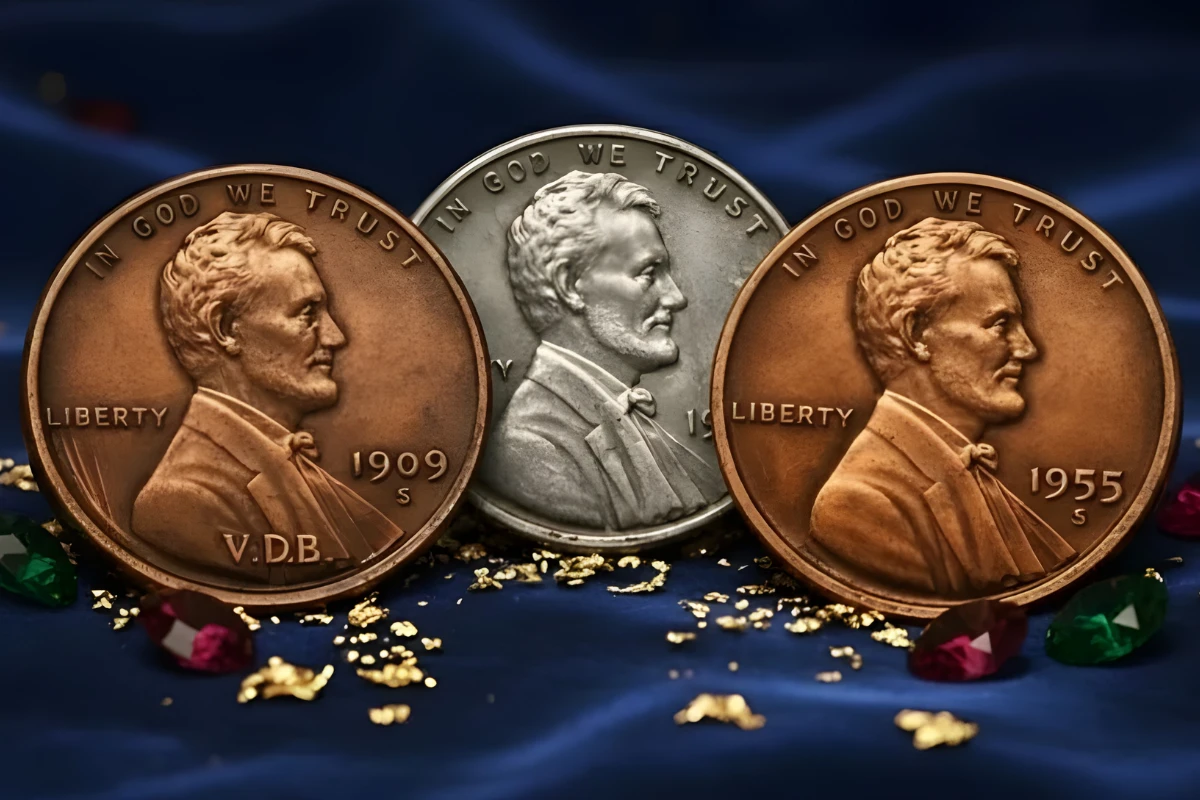
Top 5 Most Rare Wheat Pennies Worth Millions in 2026 : Wheat coins are among the most collected coins in American coin history, and their value continues to astound both collectors and casual seekers. Minted between 1909 and 1958, these small copper coins feature the iconic wheat stalk on the reverse, making them instantly recognizable. In 2026, rare Wheat coins are selling for astonishing prices at auction, with some surpassing the million-dollar mark. Many people unknowingly possess these hidden treasures stashed in old jars, drawers, or inherited coin collections. Understanding which pennies are worth the most can turn an ordinary day into a life-changing discovery.
Most Valuable Wheat Coins
Not all Wheat coins are the same, and certain years and mint marks are far above the rest in terms of value. The 1909-S VDB penny is one of the most sought-after coins ever minted, with fewer than 500,000 of the designer’s initials controversially removed. A 1943 copper penny, accidentally struck on a copper planchet during a wartime steel conversion, has sold for over a million dollars at major auctions. The 1955 Doubled Die penny features a striking doubling effect on the letters, making it a stunning and highly sought-after item. Collectors worldwide compete fiercely for these rare items, with prices expected to reach historic highs in 2026.
Identifying Rare Penny Errors
Mistaken coins are some of the most exciting and valuable objects in the world of coin collecting today. A doubled die error occurs when the coin’s die strikes the blank twice at slightly different angles, creating blurred or shadow-like repetitions of letters and numbers. Off-center strikes occur when the planchet becomes misaligned during minting, creating a design that is highly likely to attract collector interest. Re-punched mint marks, where the mint mark was stamped more than once in slightly different locations, add another layer of rarity and interest. It’s important to use a magnifying loupe with at least a ten-power magnification to identify these small but very useful minting errors.

Key Dates and Mint Marks
| Penny | Mint Mark | Estimated Value (2026) |
|---|---|---|
| 1909-S VDB | S | $750,000 – $1.2M |
| 1943 Copper | D / No Mark | $500,000 – $1.7M |
| 1955 Doubled Die | No Mark | $50,000 – $125,000 |
| 1914-D | D | $150,000 – $300,000 |
| 1922 Plain | No Mark | $75,000 – $200,000 |
The mint mark on a Wheat Penny plays a crucial role in determining its ultimate collector value and auction potential. Coins struck at the San Francisco Mint are marked S, Denver coins are marked D, and Philadelphia coins were generally issued without a mint mark. The 1914-D Penny is rare because the Denver Mint produced a small number of them that year under strict production controls. A plain 1922 penny, which should have had a D mint mark, was struck with a highly worn die that failed to produce the mark on the coin. Collectors value these mint mark defects as premium prizes, and by 2026, their prices had risen significantly.
Grading Affects Coin Value
Coin grading is the standard process of assessing a coin’s physical condition, and it directly determines how much a Wheat Penny will sell for. The Sheldon scale ranges from one to seventy, with one indicating a barely distinguishable coin and seventy indicating a perfect, non-circulation specimen. A 1909-S VDB coin graded MS-65 can be several times more valuable than the same coin graded MS-60, demonstrating the impact condition has on price. Professional grading services like PCGS and NGC enclose coins in tamper-evident holders with official grades, providing authentication and market confidence. Before attempting to sell or auction a rare Wheat coin, submitting it for professional grading is always a wise investment.

Where to Find Them
Rare Wheat coins can be found in the most unlikely places, and knowing where to look gives you a major advantage in the search. Estate sales and inherited coin collections remain the best avenues for finding untested Wheat coins that may have been untouched for decades. Penny bankrolls, which are becoming increasingly rare, sometimes contain old coins that were just circulated and never removed from common use. Online auction platforms, local coin shows, and flea markets offer frequent opportunities to find undervalued Wheat Pennies at prices well below their face value. It’s also worth checking your change jar at home, as many million-dollar coins have been found in everyday household collections.
Selling Your Rare Pennies
Once you’ve identified and authenticated a valuable Wheat Penny, choosing the right selling platform is crucial to maximizing your returns. Major auction houses like Heritage Auctions and Stacks Bowers specialize in rare coins and attract serious bidders capable of offering top-tier prices. Reputable coin dealers can also achieve good results through private sales, especially if the dealer already has a client base actively seeking specific rarities. Online marketplaces offer convenience but require careful vetting to avoid low-ball offers or fraudulent buyers who misrepresent payment terms. Always obtain multiple appraisals before finalizing a sale, as a single opinion rarely reveals the full competitive market value of a truly rare coin.

Conclusion
Wheat coins continue to attract collectors, investors, and treasure hunters, as their value will rise significantly by 2026. From the famous 1909-S VDB to the mysterious 1943 Copper Cent, these small coins hold immense financial and historical significance that far exceeds their face value. Learning to recognize special dates, mint marks, and minting errors gives any collector a strong foundation for building a valuable numismatic portfolio. Whether found in a coin jar, purchased at auction, or inherited from a relative, a wheat coin can truly represent a life-changing financial gain. The next million-dollar coin may already be lying right in front of you, waiting to be identified.