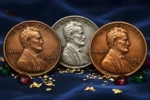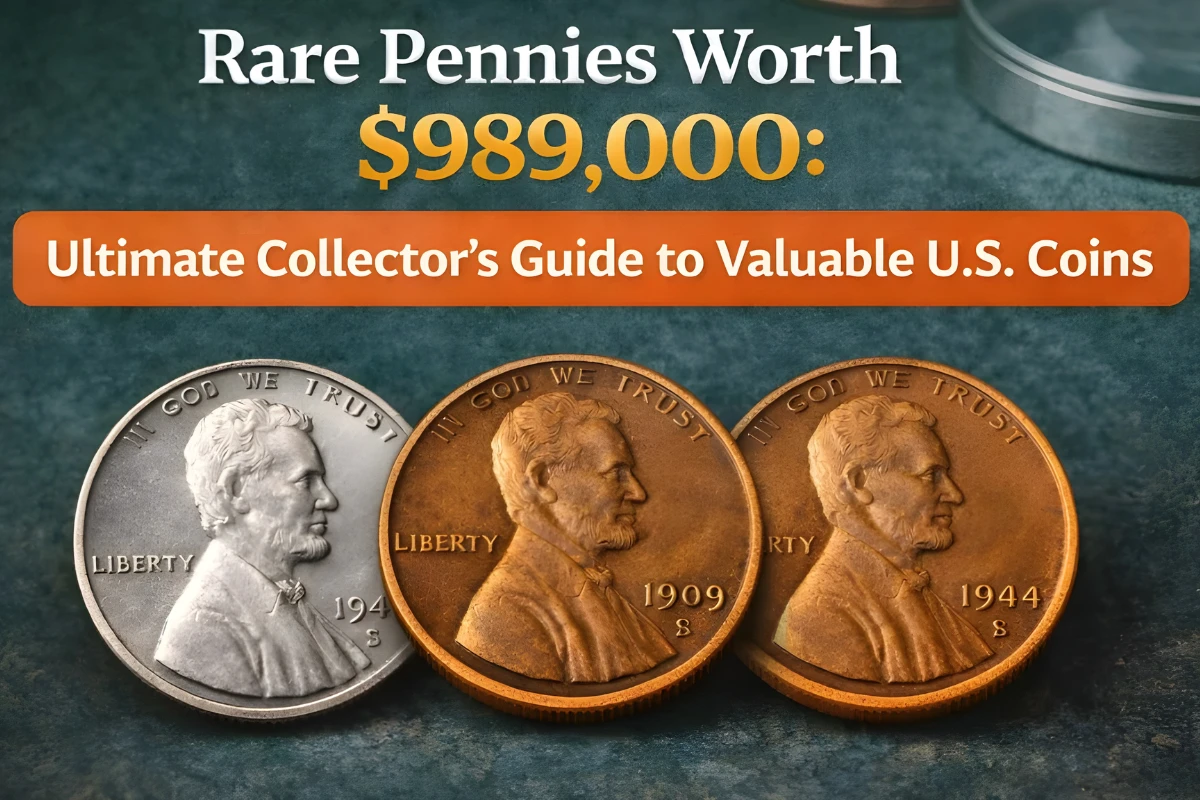
Rare Lincoln Pennies Worth $989,000 : Lincoln pennies are among the most highly collected coins in American numismatic history, having been minted for over a century. A coin that appears to be worth a simple one cent can sometimes be worth far more than its face value. Collectors and treasure hunters across the United States have discovered rare Lincoln pennies worth millions of dollars. The thrill of finding a penny in an everyday pocket or a jar of old coins keeps millions of enthusiasts searching for it daily. Understanding which pennies are most valuable is the first step toward uncovering life-changing discoveries.
Most Valuable Lincoln Pennies
The Lincoln Penny series contains many famous coins that command astonishing prices at major auction venues. The 1909-S VDB Penny is one of the most sought-after coins ever minted by the United States Mint. Only 484,000 of these coins were produced, making them extremely rare in today’s market. A 1943 copper penny, accidentally created during wartime steelmaking, has sold at auction for nearly $989,000. These coins are among the most prized possessions in American coin collections and are considered sacred among serious numismatists.
Special Dates and Mint Marks
Mint marks are small letters on the penny that indicate the minting location. An “S” mark indicates San Francisco, a “D” indicates Denver, and unmarked coins were minted in Philadelphia. Special-date pennies with rare mint mark combinations always command the highest premiums in the collector marketplace. A 1914-D Lincoln penny in good condition regularly sells for thousands of dollars due to its limited mintage. Learning to identify mint marks with a magnifying glass is an essential skill every serious penny hunter should master early on.

Rare Penny Value Chart
The table below lists some of the most valuable Lincoln pennies, their mint marks, approximate mintages, and estimated market values.
| Year & Mint Mark | Mintage | Grade (MS-65) | Estimated Value |
|---|---|---|---|
| 1909-S VDB | 484,000 | Gem Uncirculated | $60,000 – $120,000 |
| 1943 Copper | ~20 known | Fine | $250,000 – $989,000 |
| 1914-D | 1,193,000 | Fine | $15,000 – $50,000 |
| 1922 Plain | ~7,000 | Very Fine | $10,000 – $30,000 |
| 1955 Doubled Die | ~20,000 | Very Fine | $5,000 – $25,000 |
How Errors Create Value
Mint errors are manufacturing mistakes that inadvertently double images on coins, omit details, or misalign the metal texture. The 1955 Doubled Die Lincoln Penny is a prime example, with numerous doubled numbers and letters visible to the naked eye. These errors occur when coin dies become misaligned during the hubbing process within the minting facility. Error coins are treasured because they reveal unintentional flaws that escape quality control inspections during production runs. A well-preserved error penny can transform a common coin collection into a significant financial investment.

Grading Affects Final Price
Coin grading is the professional process of assessing the condition of a penny on a standard numerical scale from one to seventy. The Sheldon scale grades from Poor at the bottom to Mint State 70 at the top. A 1909-S VDB penny graded MS-65 will command a much higher price than the same coin graded only Fine-12. Professional grading services like PCGS and NGC authenticate coins and enclose them in tamper-proof plastic holders called slabs. Submitting valuable coins for professional grading is a smart investment that guarantees genuineness and significantly increases resale value.
Where to Find Rare Pennies
Many collectors have surprisingly discovered very valuable coins from common and easily accessible everyday sources. Estate sales, inherited coin jars, old bank rolls, and flea markets remain good places for sharp-eyed treasure hunters. Coin roll hunting involves purchasing rolls of pennies directly from the bank and carefully examining each coin. Some collectors specifically target coins minted before 1959, which feature the original wheat stalk design on the reverse. Patience and persistence are two of the most effective methods any coin hunter can use in their search.

Storing and Protecting Coins
Proper storage is crucial to maintaining the condition and long-term value of any rare Lincoln penny you find. Never clean the coin with household chemicals, water, or abrasives, as cleaning permanently diminishes the coin’s value. Acid-free coin flips, plastic holders, and archive-quality albums provide a safe environment to protect coins from environmental damage. Temperature fluctuations and humidity can cause harmful oxidation, which dulls the coin’s surface shine and lowers its grade. Handling the penny only from the edges with clean cotton gloves prevents skin oil transfer, which can lead to long-term staining and discoloration.
Selling Your Precious Penny
Once a rare penny is authenticated, sellers have several excellent options to maximize their financial return on the coin. Major auction houses like Heritage Auctions and Stacks Bowers specialize in rare coins and attract wealthy, motivated buyers from around the world. Dedicated online platforms for numismatics also provide excellent exposure to a global community of passionate and competitive collectors. Having multiple appraisals before committing to a sale ensures you receive the full and accurate market value of your rare coin. Selling during peak collector demand can sometimes add thousands of dollars to your final transaction price.
Conclusion
Lincoln pennies are one of the most accessible and potentially profitable areas of coin collecting. A coin worth less than a cent may be lurking in your loose change, coin jar, or inherited collection. With accurate information about specific dates, mint marks, and error varieties, anyone can begin their search with real purpose and direction. Professional grading and proper storage are essential steps that protect and maximize the value of any large coin. Whether you’re an experienced numismatist or a complete beginner, the next rare Lincoln penny worth $989,000 may be closer than you think.