The Rare 2000 Sacagawea Dollar Error Coins are one of the most interesting chapters of modern American coin collecting. When the United States Mint introduced the Sacagawea Dollar in 2000, the goal was to create a durable and visually appealing coin for everyday use.
However, like many new coin releases, several minting errors occurred in the first year of production. These errors, though unintentional, quickly caught the attention of collectors and generated considerable interest in the numismatic community.
The Launch of the Sacagawea Dollar in 2000
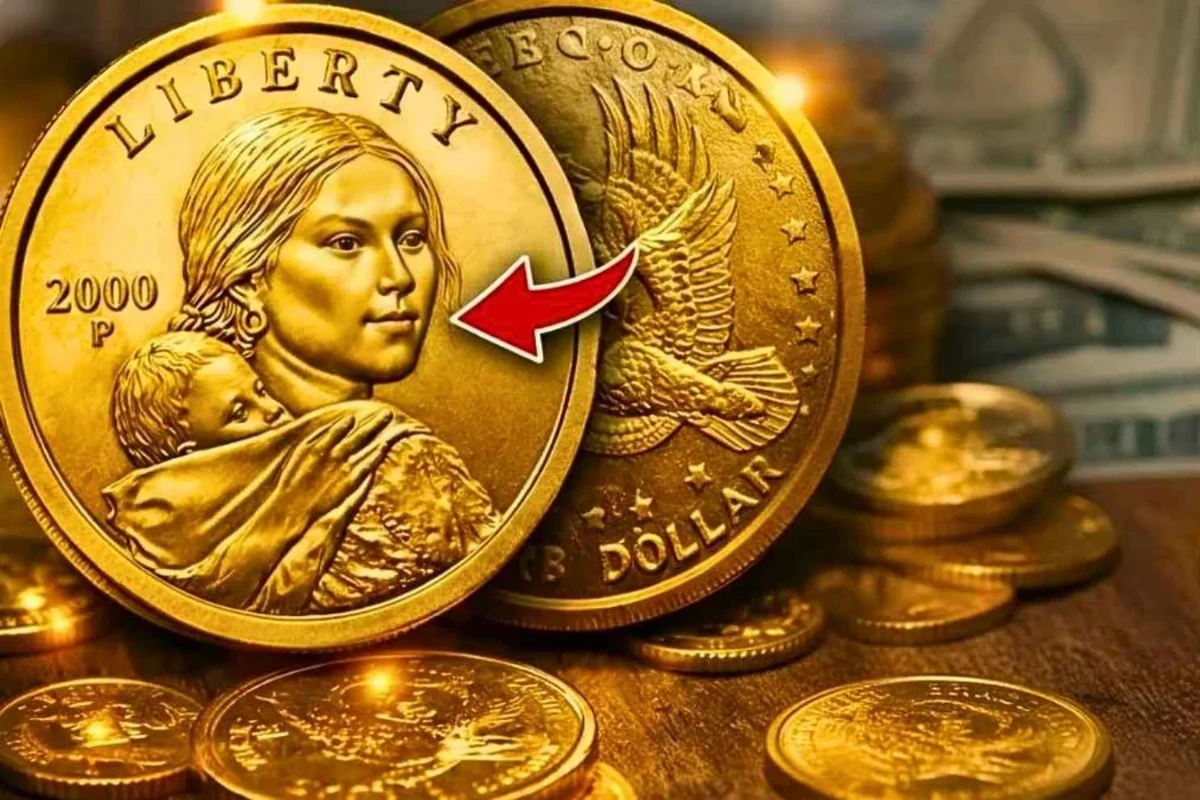
The Sacagawea Dollar was introduced to replace the unpopular Susan B. Anthony Dollar and promote greater use of the dollar coin in everyday transactions. The coin depicts Sacagawea holding her young son, Jean-Baptiste, a symbol of exploration and American history.
The coin’s golden hue comes from a manganese-bronze outer layer, which gives it a distinctive color without using actual gold. Millions of coins were minted in its first year, making the search for coins with rare errors particularly exciting.
Why do mint errors occur in modern coins?
Mint errors occur during the complex coin-making process, which includes preparing the metal, engraving the die, forming, and testing. Despite advanced machinery and strict quality control, minor errors can slip through the system.
When such errors enter circulation, they become peculiar variations of standard coins. Collectors often value these coins because they represent a moment when the minting process wasn’t working perfectly.
The Famous Cheerios Sacagawea Dollar Error
One of the most famous examples is the “Cheerios Dollar,” a special Sacagawea coin placed inside cereal boxes as part of a promotional campaign in the early 2000s. These coins were intended to generate interest in the new dollar.

Collectors later discovered that some of these promotional coins had a slightly different eagle tail feather design on the reverse. This slight design variation has made them one of the most sought-after errors on U.S. coins today.
The Wounded Eagle Reverse Error
Another unique type of error is known as the “Wounded Eagle” Sacagawea dollar error. On these coins, a die crack or gouge appears as if a spear is passing through the eagle’s body on the reverse.
Although this effect is sudden, it makes a significant difference in appearance compared to ordinary coins. Because so few coins were struck, collectors consider these coins valuable.
Common Types of 2000 Sacagawea Dollar Errors
Several types of mint errors have been identified in the 2000 Sacagawea dollar series. These include die cracks, double strikes, off-center strikes, and unusual surface imperfections caused during the minting process.
While some errors are subtle and require magnification to notice, others are visible to the naked eye. The rarity and severity of the error often determines a coin’s appeal among collectors.
Estimated major errors in the 2000 Sacagawea dollar
| Error Type | Estimated Known Examples | Visual Characteristics | Collector Interest Level |
|---|---|---|---|
| Cheerios Reverse Variety | Fewer than 100 confirmed | Enhanced eagle tail feathers | Extremely High |
| Wounded Eagle Error | Several thousand estimated | Line through eagle body | High |
| Off-Center Strike | Unknown but limited | Design shifted from center | Moderate |
| Die Crack Errors | Thousands | Raised lines across surface | Moderate |
| Double Strike Error | Very rare | Overlapping design impressions | High |
This table shows how rarity and distinctive appearance influence collector demand for these coins.
How Collectors Identify Mistaken Coins
Collectors typically examine coins under magnification to identify unusual design features or minting flaws. Lighting, magnifying lenses, and comparisons to standard coins are often used to confirm whether a coin is a genuine mistake.
Professional grading services sometimes verify these coins, which helps build trust and authenticity. Once certified, a misdeal may become more recognizable among collectors.
The Role of Minting Technology in Creating Mistakes
Modern coins are produced using highly precise machinery capable of producing thousands of coins per hour. Nevertheless, errors can sometimes occur due to mechanical wear, die damage, or metal feeding problems.
When these flaws occur during initial production runs, they can create distinct varieties that later become valuable. The 2000 Sacagawea Dollar Series is a clear example of how new coin programs can make a difference.
Collector Demand for Sacagawea Dollar Errors
Interest in Sacagawea Dollar Errors is high among today’s coin collectors. These coins combine historical significance with the excitement of discovering rare mint errors.
Because this series has recently begun, many collectors believe that more varieties may still be in circulation. This possibility maintains interest in examining hidden flaws in seemingly common coins.
Historical Significance of the 2000 Sacagawea Dollar Series
The introduction of the Sacagawea Dollar marked a turning point in modern U.S. currency design. It reflected a shift toward honoring Native American history and cultural contributions.
The sudden discovery of mint errors in its launch year adds another layer of historical interest. These coins remind us that even advanced minting systems can produce unique variations.
Why These Error Coins Continue to Attract
Collectors are naturally drawn to items that combine rarity, history, and unusual features. The 2000 Sacagawea dollar’s errors provide all three in a modern American coin.
Each error coin tells a little story about the minting process and the circumstances in which it was produced. For numismatists, these imperfections transform a common coin into a magnificent collectible.