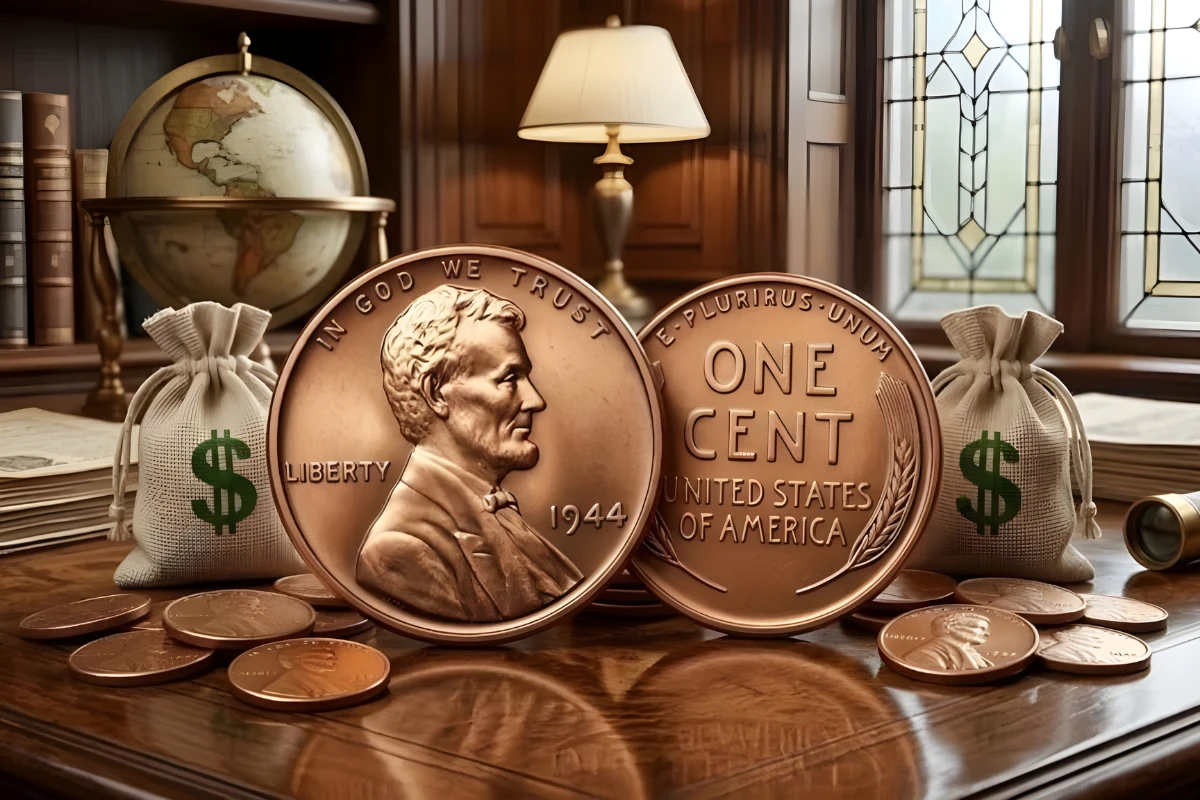
Wheat Penny Value Guide : Wheat pennies are among the most collected U.S. coins in circulation. These coins, minted between 1909 and 1958, feature two stalks of wheat on the reverse. Collectors look for rare dates, mint marks, and valuable minting errors. Today, many coins are worth only a few cents, but some sell for hundreds or even thousands. Understanding the key value factors helps newcomers quickly identify wheat pennies worth saving.
History of the Wheat Penny
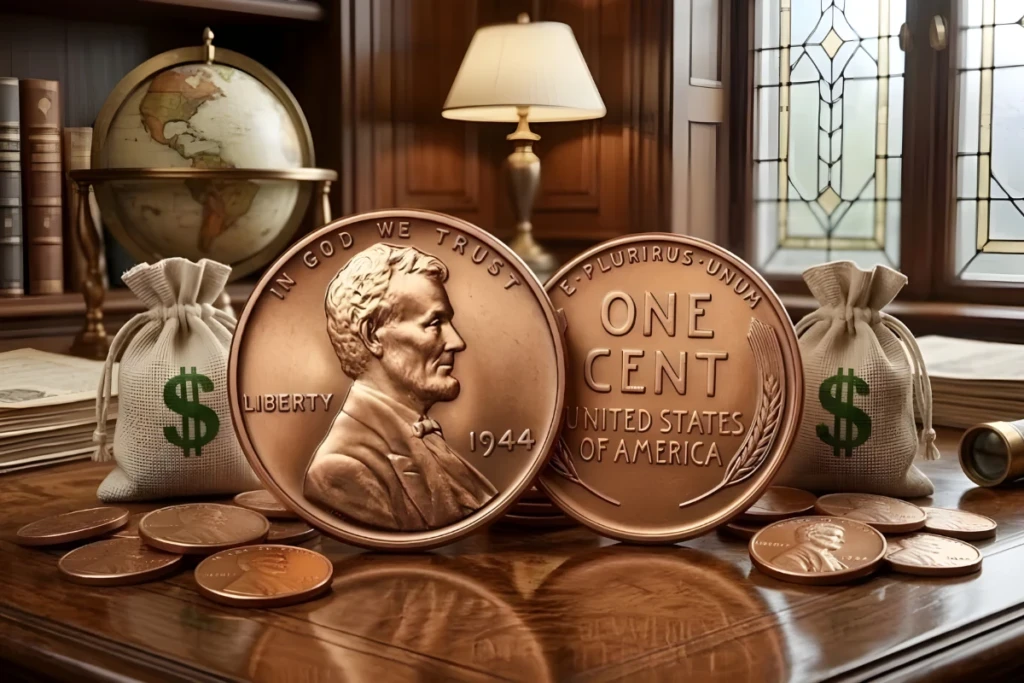
The Lincoln Wheat Penny was first introduced in 1909 to honor Abraham Lincoln’s 100th birthday. It replaced the Indian Head cent and became the first U.S. coin to feature a real historical figure. The reverse features two ears of wheat surrounding the words “One Cent,” giving the coin its nickname. Billions of coins were produced at various U.S. mints during its nearly fifty-year run. Because of this long production period, collectors can find both common coins and very valuable rare coins.
Special Date Coins
Some wheat pennies are considered special-date because they were produced in very limited numbers. The famous 1909-S VDB penny is one of the most valuable coins due to its low mintage. Other notable dates include the 1914-D and 1931-S, which are also highly sought after by collectors. These coins can fetch hundreds or even thousands of dollars depending on their condition. The quickest way to identify valuable wheat pennies is often to carefully examine the dates.
The Meaning of Mint Marks
Mint marks indicate where in the United States Mint system the wheat penny was minted. Coins without a mint mark were minted in Philadelphia, while “D” indicates Denver and “S” indicates San Francisco. Over many years, some mints produced fewer coins than others. Low mintages often lead to greater collector demand and increase the coin’s value. Understanding mint marks helps collectors identify rare variations of common pennies.
Condition Grade Information
A coin’s condition, often referred to as its grade, plays a key role in determining its value. Wheat pennies are classified from highly worn coins to brand-new, non-circulation coins. Common grades include Good, Fine, Extremely Fine, and Mint State. Even a coin with a rare date is highly worn, its value may be significantly lower. Collectors typically pay higher prices for coins with strong detail and minimal surface damage.
Coins with Rare Errors
Common Wheat pennies can be very valuable to collectors due to minting errors. Some of the most famous examples include doubled die pennies and off-center strikes. The 1955 Double Die Penny is one of the most well-known error coins in U.S. history. These errors occur during the manufacturing process when the dies or planchets are misaligned. Because errors are uncommon and difficult to find, they often command high prices.
Most Valuable Years
Many Wheat Penny years consistently enjoy high demand among collectors. The 1909-S VDB remains the most iconic and valuable regular issue of the series. The 1914-D and 1922 No D pennies also fetch very low prices. Some wartime coins, such as the 1943 Copper Penny, can fetch very high prices. Knowing these valuable years helps collectors quickly identify high-value coins.

Overview of Price Range
Most Wheat Pennies in circulation are priced between three cents and fifty cents. Coins in excellent condition or from earlier years can sell for several dollars. Coins with specific dates, rare mint marks, and errors can significantly increase their value. High-quality coins sometimes reach hundreds or thousands of dollars at auction. Prices ultimately depend on rarity, condition, and collector demand.
Selling Wheat Pennies
Collectors looking to sell Wheat Pennies have several popular options today. Coin shops, online marketplaces, and coin shows are common places to find buyers. Before selling, it’s helpful to sort coins by date, mint mark, and condition. Rare coins may benefit from professional grading or authentication services. Proper research ensures sellers receive the true market value of their Wheat Pennies.
Conclusion
Wheat Pennies are one of the most popular and easily available coin series for collectors. Their long history, recognizable designs, and varied values make them appealing to both novices and experts. When looking at these coins, it’s important to understand the specific dates, mint marks, and condition grades. Occasional errors and valuable years can transform a common penny into a collectible treasure. With careful examination, anyone can begin to identify Wheat coins that are truly worth their money.